⭐ CULTURE & TERMINOLOGY
Understanding the Traditional Chinese Cultural Framework Behind Ng Ga Kuen (五家拳)
Traditional Chinese martial arts are more than physical techniques — they are built upon a cultural, familial, and ethical system that shapes how knowledge is transmitted, how relationships are formed, and how practitioners conduct themselves inside and outside the training hall.
This page explains the cultural foundations of Ng Ga Kuen, including discipleship, hierarchy, terminology, and key concepts used throughout the system.
🌿 A Thousand‑Year Tradition
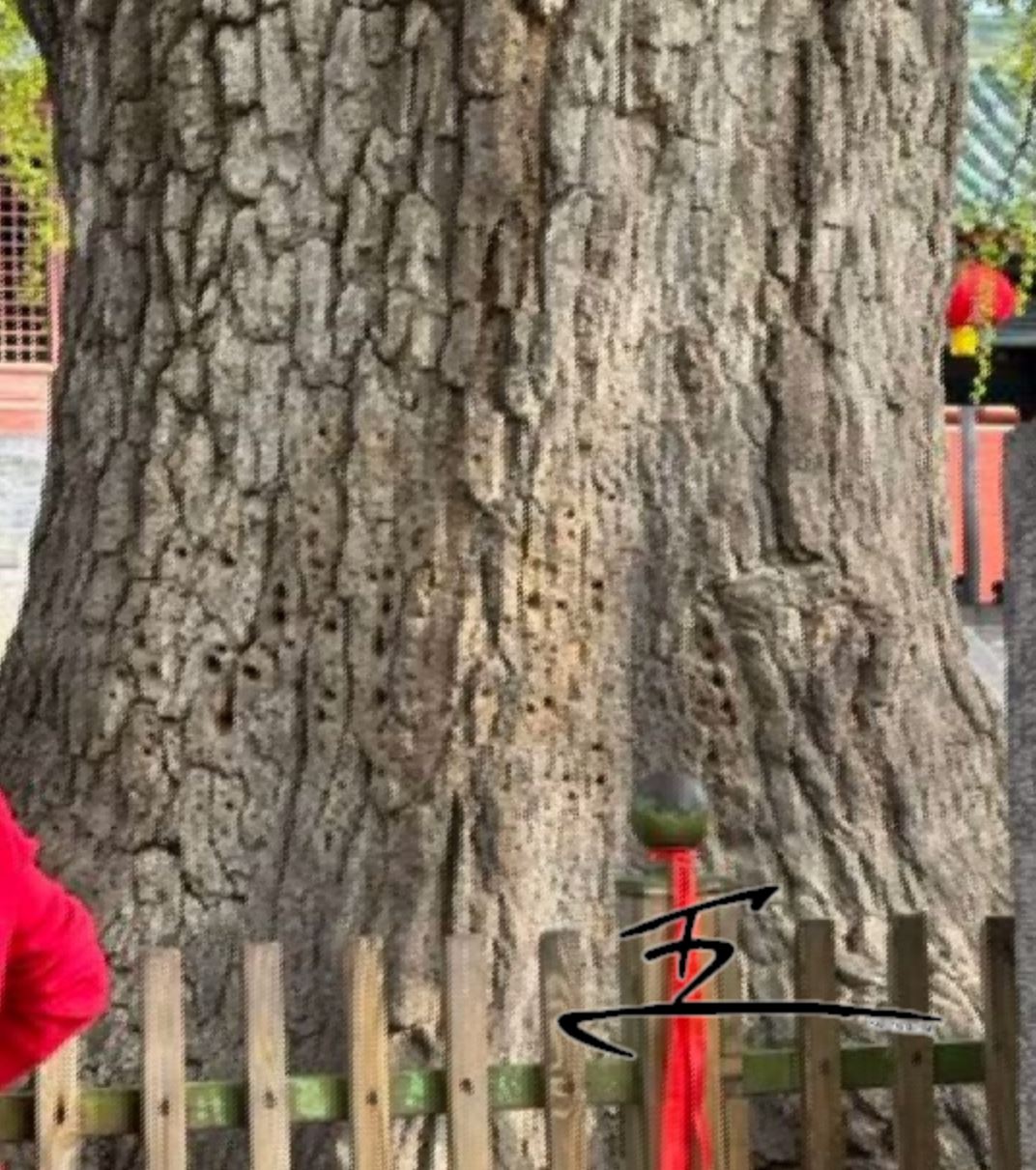
At the Shaolin Temple, high‑ranking monks trained their fingers by thrusting them into holes carved into ancient trees. This image symbolizes the discipline, patience, and dedication required to master traditional Kung Fu.
⭐ Traditional Chinese Familial Hierarchy in Martial Arts
Chinese martial arts do not use the Japanese belt/dan system. Instead, they follow a familial hierarchy, where relationships mirror family roles:
- Sifu (師父) — Instructor; literally “father‑teacher”
- Sihing (師兄) — Senior Kung Fu brother
- Sije / Sijie (師姐) — Senior Kung Fu sister
- Sidai (師弟) — Junior Kung Fu brother
- Simui (師妹) — Junior Kung Fu sister
This structure is used in many Chinese communities — from martial arts schools to business associations and even triads — because it reflects respect, loyalty, and family unity.
⭐ Understanding Discipleship (徒弟制度)
Discipleship is one of the most misunderstood aspects of Chinese martial culture. It is not the same as being a regular student.
Two Types of Students
1. Moon‑Yan (門人)
“In the door” students — general students who train in the main hall. Most students of GM Ark Yuey Wong and Sifu Seming Ma fall into this category.
2. Moon‑To (門徒)
Disciples — specially selected students responsible for carrying on the style. They receive:
- Private instruction
- Advanced material
- “Back room” teachings
- System secrets
- Cultural responsibilities
A Moon‑To assists the Sifu with:
- Important school decisions
- Teaching Moon‑Yan
- Attending belt testing
- Maintaining system integrity
They must always stay ahead of all Moon‑Yan.
⭐ What Makes Discipleship Unique?
Discipleship is a lifelong bond, similar to marriage:
- It is formal
- It is ritualized
- It is deeply meaningful
- It creates family
- It carries obligations
- It requires loyalty to one master
Historically, a Sifu might have many disciples, but a disciple typically has only one Sifu. Ng Ga Kuen strongly encourages this tradition.
Some discipleships were even arranged, like marriages — especially for orphans, who were given to a Sifu to be raised and trained.
Many masters hesitate to take Western disciples because Western culture often lacks the foundation for such long‑term commitment.
⭐ Respect & Teacher‑Student Conduct
Chinese culture places teachers in extremely high regard. Students must:
- “Empty their cup”
- Accept new teachings without resistance
- Bow to the teacher
- Show loyalty to all past teachers
- Maintain humility and discipline
This respect is foundational to learning traditional Kung Fu.
⭐ Terminology & Definitions
Bridge Hand (橋手)
The initial contact between you and an opponent. Used to jam, trap, strike, lock, sweep, or control. Although mostly performed with the hands, it can involve legs, hips, body, or head.
Canton / Guangdong / Guangzhou
Refers to the province in Southern China where many Southern styles originated.
Chin‑Na (擒拿)
Joint‑locking, muscle‑tendon control, grappling, and capture techniques.
Choy Ga (蔡家)
One of the Five Families; also spelled “Choi Ga.”
Ga (家)
Means “family” or “household.” Example: Hung Ga = Hung Family.
GM
Grand Master.
Gong Fu / Kung Fu / Gung Fu (功夫)
Skill achieved through hard work; also refers to Chinese martial arts.
Kuen (拳)
Means “fist” or “boxing.” When using lineage names – like Hung Ga Kuen, or Choy LI Fut Kuen or Ng Ga Kuen – it effectively means “the boxing system of that family/style”. So, while the dictionary meaning is not “style”, the martial arts usage often overlaps with what English speakers call a “style”.
Lau Ga → Fut Ga
Originally Lau Family; renamed Fut Ga to honor the Buddha.
Lee Ga (李家)
Also spelled “Li Ga.”
Mok Ga (莫家)
Also spelled “Mawk Ga.”
Ng (五)
Means “five.”
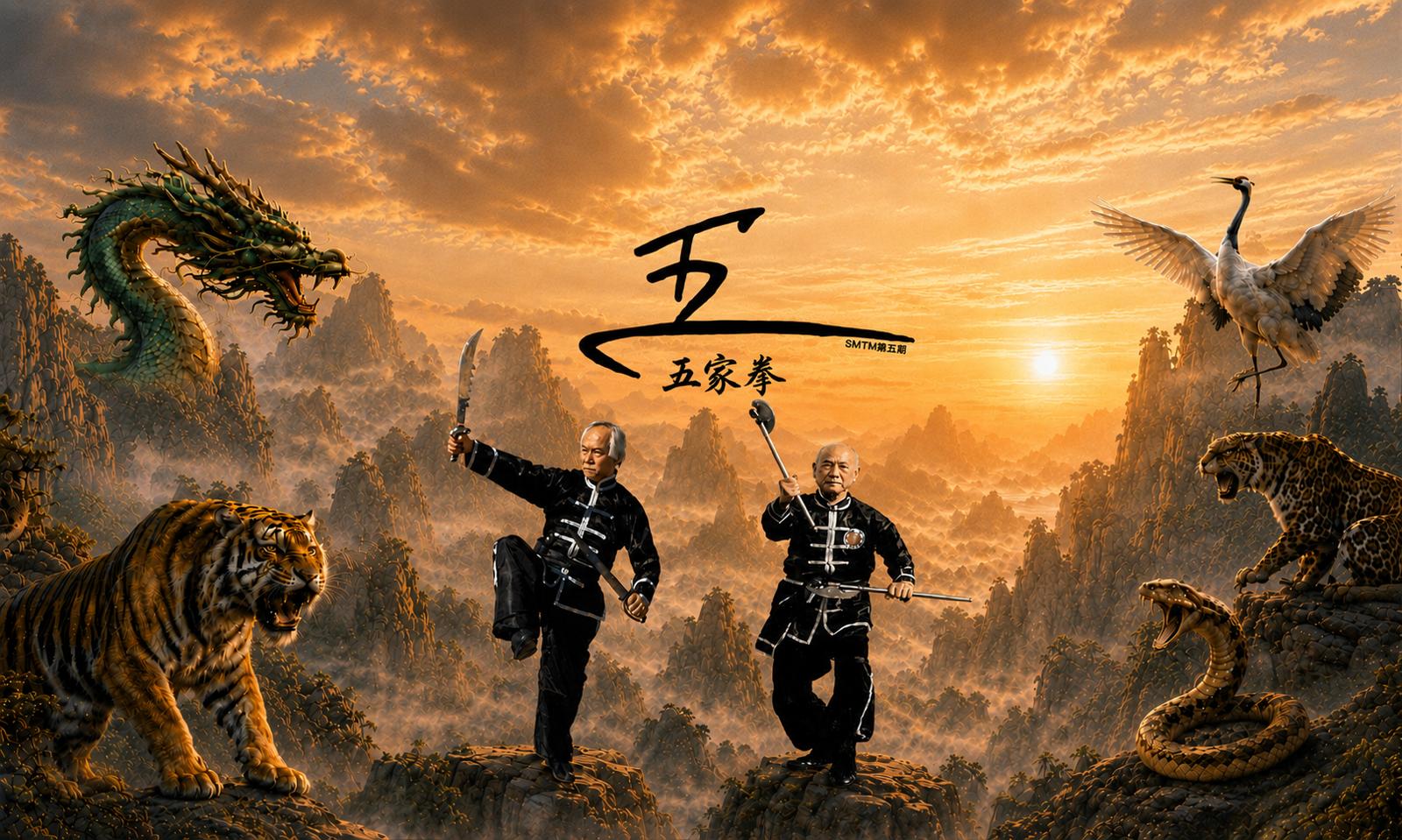
Ng Ga Kuen (五家拳)
Five‑Family Style; acronym: NGK.
Set
A form or kata (e.g., Butterfly Set, Snake Set).
Sifu (師父)
Instructor; father‑teacher.
Sil Lum Gung Fu (少林功夫)
Cantonese pronunciation of Shaolin Kung Fu.
Wude / Mo Duk (武德)
Martial Virtue — ethical development, respect, integrity, humility, loyalty.
⭐ Language Note
Many terms on this website come from Taishanese / Toishanese / Hoisanese, a regional language from the western Pearl River Delta. Pronunciation is Toisanese; written characters are Traditional Chinese.
This preserves authenticity while remaining understandable across Chinese dialects.
⭐ The Heart of Culture in Ng Ga Kuen
Culture is not an accessory — it is the foundation of the art.
Through:
- Hierarchy
- Respect
- Discipleship
- Terminology
- Ritual
- Ethics
- Family structure
…students connect to the centuries‑old Shaolin tradition that gives Ng Ga Kuen its identity.

